In a city as dynamic as Miami—where neighborhoods range from sunny coastal hubs like Miami Beach and Key Biscayne to more rural stretches near Homestead—it’s easy to assume wired internet is available everywhere. Yet, as the Magic City continues to grow, not every address is equipped with cable or fiber connections. That’s where satellite internet steps in.
Below is a short yet comprehensive look at what satellite internet is, who might benefit from it, and how to find the best plan for your Miami home or business.
What Exactly Is Satellite Internet?
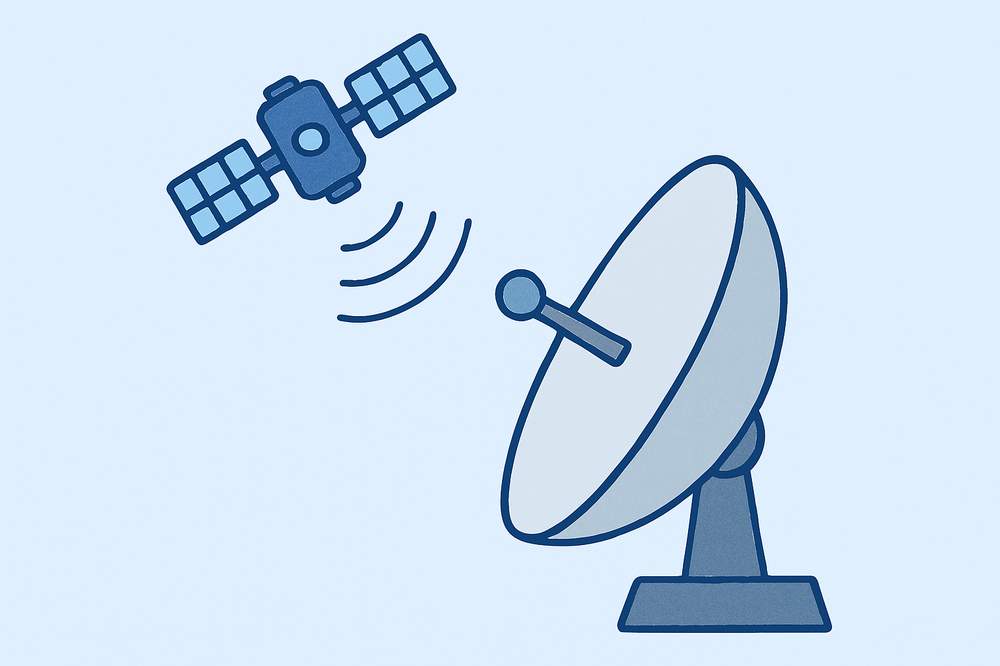
Satellite internet uses orbiting satellites to beam an internet signal to a dish installed at your home. Instead of relying on underground cables or local towers, data travels from your dish to a satellite above the Earth, then down to your internet service provider’s ground station.
Why It Matters in Miami
- Rural and Underserved Areas: While most of Miami-Dade County is bustling, some outlying regions—like certain parts of Homestead, Florida City, and the agricultural zones—may not have reliable cable or fiber lines. Satellite service fills that gap by offering near-universal coverage.
- Backup Connectivity: Given Miami’s sometimes unpredictable weather (especially during hurricane season), satellite internet can serve as a secondary internet connection if traditional lines go down.
Key Advantages and Potential Drawbacks of Satellite Internet
Advantages of Satellite Internet
- Wide Availability: Satellite internet covers areas that other technologies can’t easily reach. If you live in a remote neighborhood near the Everglades or on the outskirts of Miami-Dade, satellite might be your best or only option for high-speed connectivity.
- Straightforward Installation: Many satellite providers offer professional installation of the dish and modem. Within a day, you can have your system up and running—no need to wait for extensive wiring or underground fiber construction.
- Decent Download Speeds: Newer satellite services can deliver speeds often sufficient for everyday tasks such as streaming standard-definition videos, browsing social media, and online shopping.
Potential Drawbacks to Consider
- Higher Latency: Data has to travel thousands of miles to the satellite and back, causing a noticeable delay (latency). Real-time activities like online gaming, stock trading, or video conferencing may feel less smooth compared to fiber or cable.
- Weather Sensitivity: Heavy rain, wind, or hurricane conditions can disrupt satellite signals. In Miami’s tropical climate, this can be a hurdle during stormy seasons.
- Data Caps: Many satellite plans impose data limitations. If you exceed your monthly cap, you might face throttled speeds or extra charges—a challenge for households that stream or download large files regularly.
Who Benefits Most from Satellite Internet in Miami?
- Residents in Rural Areas: Communities far from central Miami—like certain parts of Homestead, Cutler Bay, or Florida City—may rely on satellite for consistent service.
- Vacation or Seasonal Homes: If you own a property near the outskirts or in more secluded spots of Miami-Dade, satellite can provide a convenient, short-term solution.
- Small Businesses Outside Main Hubs: Agricultural operations or roadside stands in less developed areas can still process credit cards, handle online orders, and maintain an online presence via satellite.
Popular Satellite Providers
A few big players typically dominate the satellite market in the U.S.:
HughesNet
- Widely recognized for nationwide coverage.
- Plans vary by data allowance, with reduced speeds after hitting a monthly cap.
Viasat
- Offers a range of speed tiers, often higher than older satellite plans.
- Some plans include “free data zones” overnight.
Starlink (SpaceX)
- Known for lower latency and higher speeds, thanks to satellites in lower earth orbit.
- Coverage is expanding but can be limited in specific parts of Miami-Dade, so check availability by ZIP code.
How to Find “Satellite Internet Near You”
Start with a quick zip code lookup on InternetInMiami.com to see which satellite providers service your exact address—be it in North Miami Beach (33160), Miami Lakes (33014), or anywhere else across the county. This simple step can save you time and help you compare local plans side by side.
Things to Compare
- Monthly Fees & Introductory Rates: Watch out for deals that expire after a few months.
- Equipment Costs: Factor in dish and modem rentals or the purchase price.
- Speeds & Data Caps: Make sure the plan suits your streaming and work needs.
- Contract Length: Some providers require 1-2 year agreements.
Maximizing Your Satellite Connection
- Optimize Data Usage: Use video streaming in standard definition, if possible, and download large files during off-peak or “free data” hours (some satellite plans allow this).
- Invest in a Quality Router: A strong home Wi-Fi router can help distribute your satellite connection more efficiently across multiple devices.
- Weather-Proofing: Keep your dish clear of debris and ensure it’s securely installed to reduce signal disruptions from storms or wind.
Frequently Ask Questions
Is satellite internet available everywhere in Miami?
Satellite internet covers nearly all corners of Miami-Dade County—including rural areas—because it doesn’t rely on ground-based cables or cell towers. As long as you have a clear view of the sky, you can usually install a dish and get service. However, exact coverage may vary by provider, so be sure to check availability using your ZIP code.
Will bad weather interrupt my satellite connection?
Storms, heavy rain, or strong winds can affect satellite signals more than they would cable or fiber lines. Florida’s tropical weather—including hurricane season—can lead to temporary outages or slower speeds. Ensuring your dish is securely installed and positioned correctly can help minimize these disruptions.
What kind of speeds can I expect with satellite internet?
Download speeds typically range from 12 Mbps to over 100 Mbps, depending on the provider and plan. Modern satellite services (like Starlink) can sometimes exceed these figures. While these speeds are generally sufficient for basic browsing and moderate streaming, latency (signal delay) is often higher than with wired connections.
Are there data caps with satellite internet plans?
Most satellite internet providers impose data caps or usage thresholds. You might experience reduced speeds once you exceed your plan’s data allowance, or you may incur additional fees. Be sure to read the plan details carefully, especially if you stream video or share the connection with multiple users.
Is satellite internet a good backup option during an outage?
Yes, some Miami residents rely on satellite internet as a secondary or backup connection. Because it operates independently of terrestrial cables, it can remain online if fiber or cable lines are damaged—particularly valuable during hurricanes. However, you’ll still need a power source for your router and modem if the electricity goes out.